

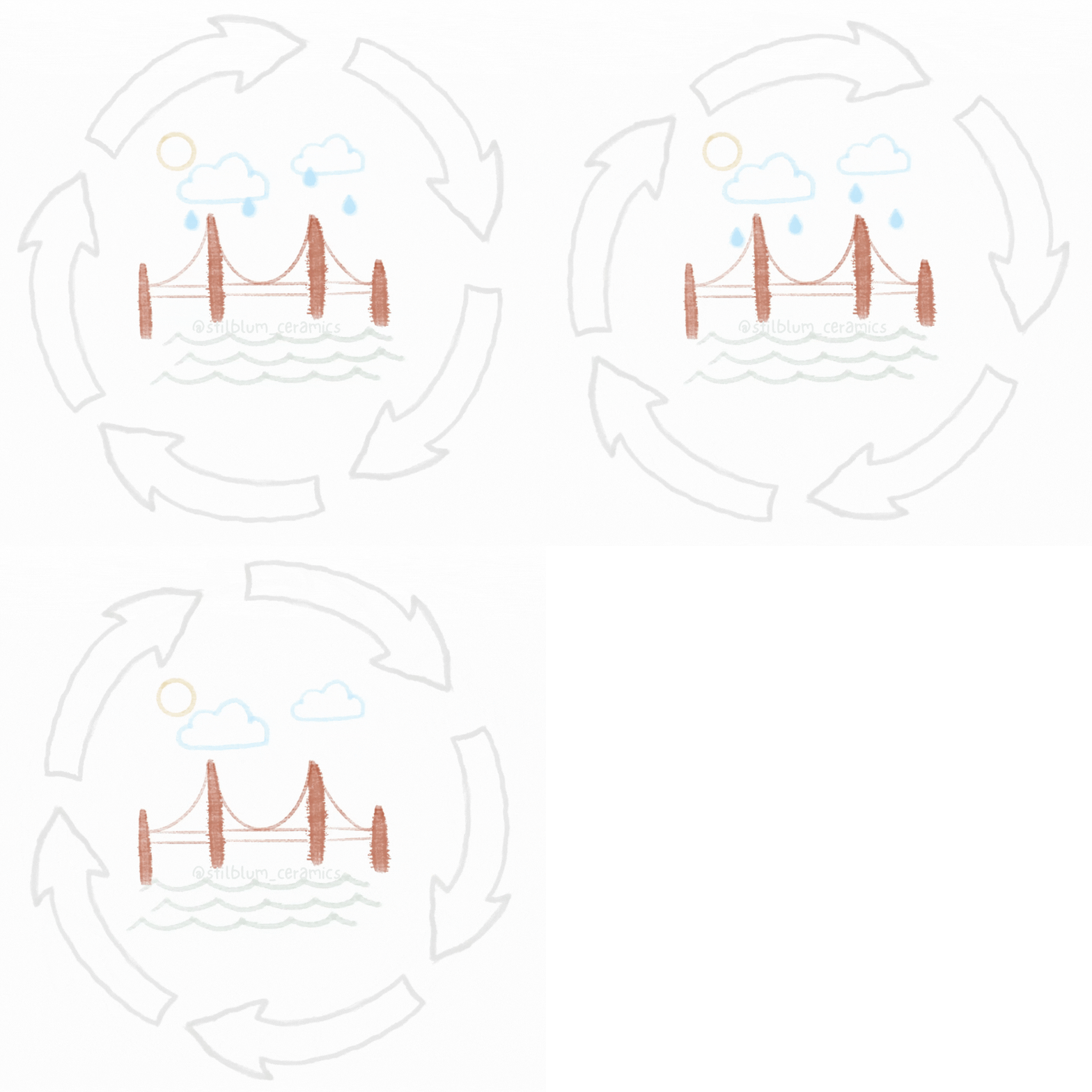
The Stilblūm Water Cycle
A net-zero water ceramics studio
At Stilblūm, every drop is part of a cycle—gathered, used, reused, and returned. From the foggy Bay Area air to the clay-covered hands at the sink, water is honored here with care and intention. This is a closed-loop studio, designed to conserve and reclaim quietly, consistently, and creatively.
Part 1: Where Water Comes From
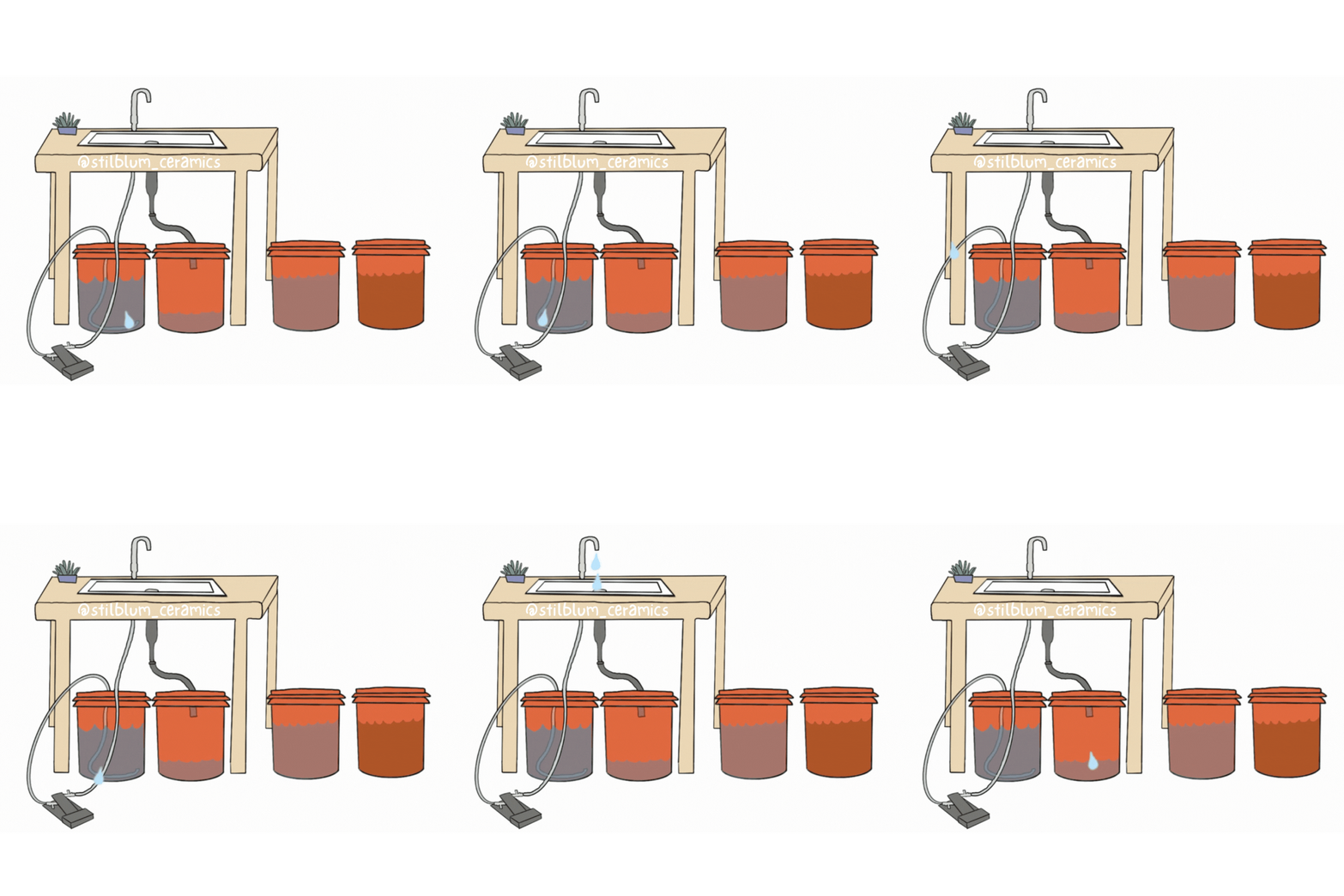
Water enters the studio not from a tap, but from the air itself. A dehumidifier quietly pulls moisture from the ambient humidity and surrounding SF Bay Area fog, offering both water and gentle warmth in return. This captured water becomes the clean supply for washing hands, rinsing tools, and softening clay.
No glazes or chemicals ever go down the drain. Only clay moves through this cycle.
Part 2: How I Reuse Water in the Studio
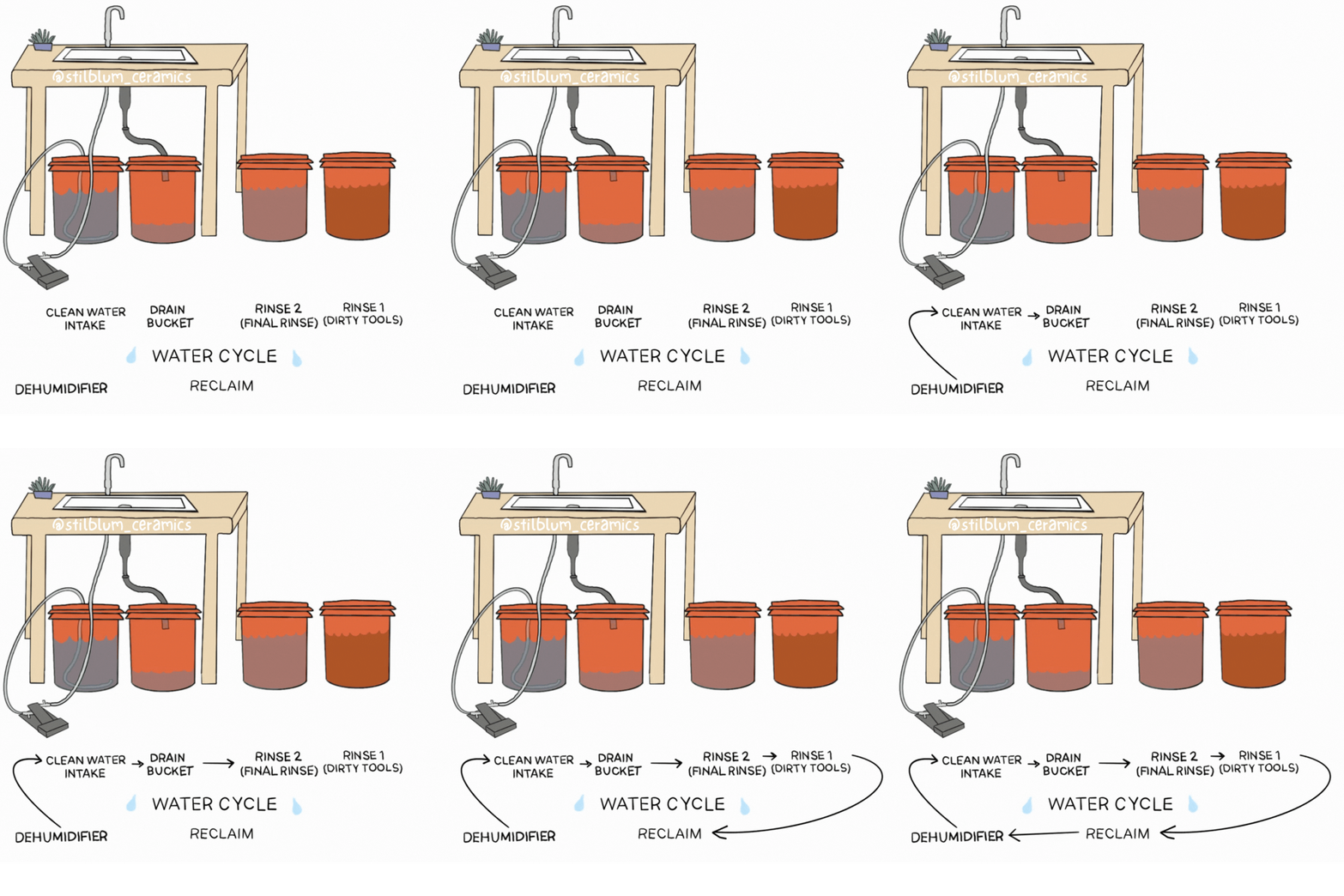
After the water flows through the foot-pedal sink, it’s collected for later reuse. That slightly used water becomes Rinse 2, for lightly soiled tools. When Rinse 2 gets dense with clay, it moves to Rinse 1, where dirtier sponges and bats get cleaned.
Each bucket has a role in this rotation, based on how much clay it holds. Every drop is honored for its usefulness. Nothing wasted. Nothing thrown away.
Part 3: Reclaiming Clay—and Water
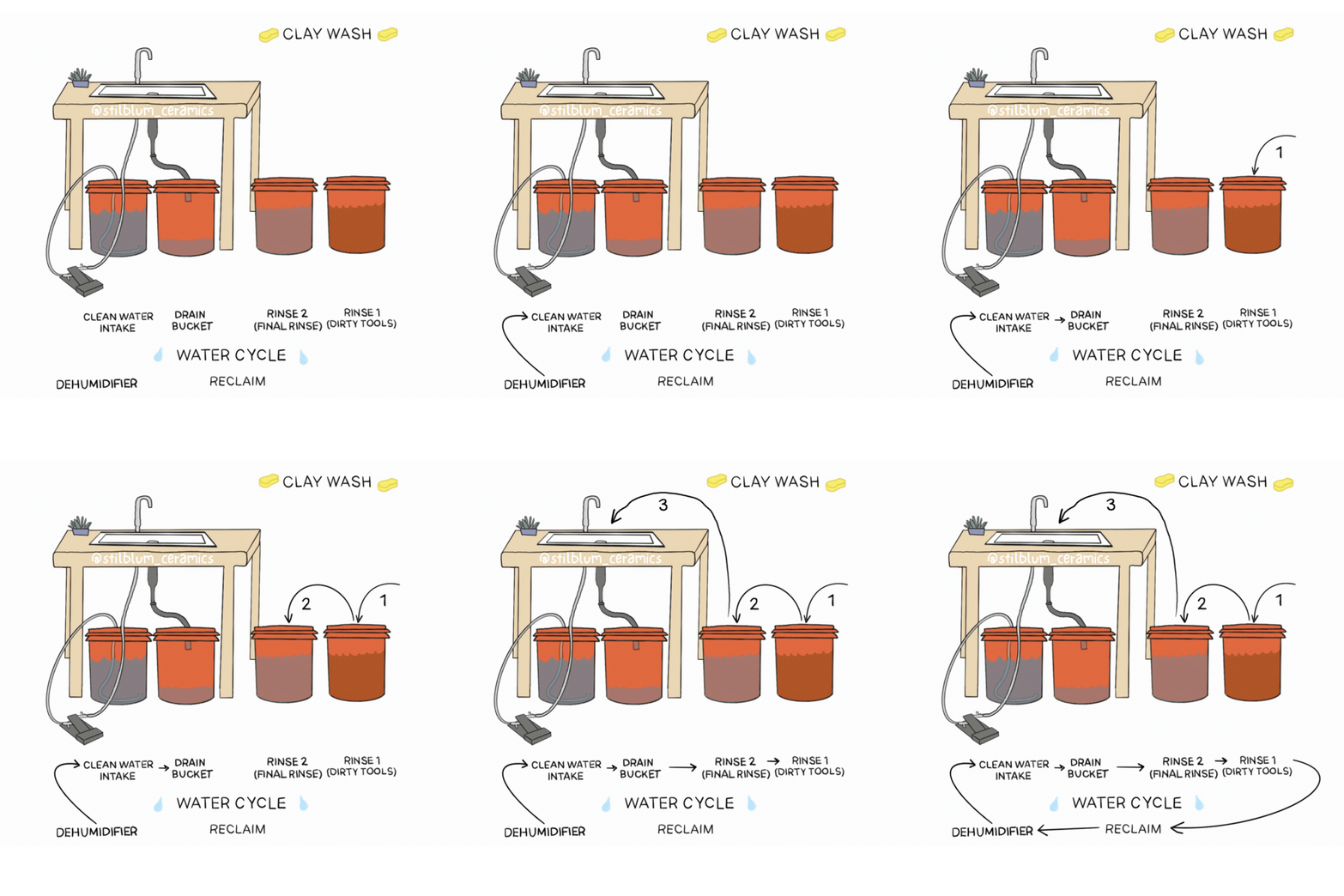
When the water in Rinse 1 becomes thick, like chocolate milk, it’s still not done. It’s poured over bone-dry clay scraps, reviving them into usable material again. As the rehydrated clay dries on plaster, moisture evaporates into the studio air…
…and is gently gathered again by the dehumidifier.
A full circle.
A return.
A studio rhythm built on slowness, reuse, and deep respect.
A Note on Why This Matters
Sustainability in ceramics isn’t always easy, but it’s possible, one thoughtful choice at a time.
At Stilblūm, building a closed-loop water system is a way to honor the materials I work with, the land I live on, and the future I am nurturing.
Crafted with Care, Powered by Fog
Explore ceramics made in the net-zero water studio—where every piece is shaped with intention and sustained by reclaimed rain and coastal fog.